Signs Your Car Door Lock Is About to Fail
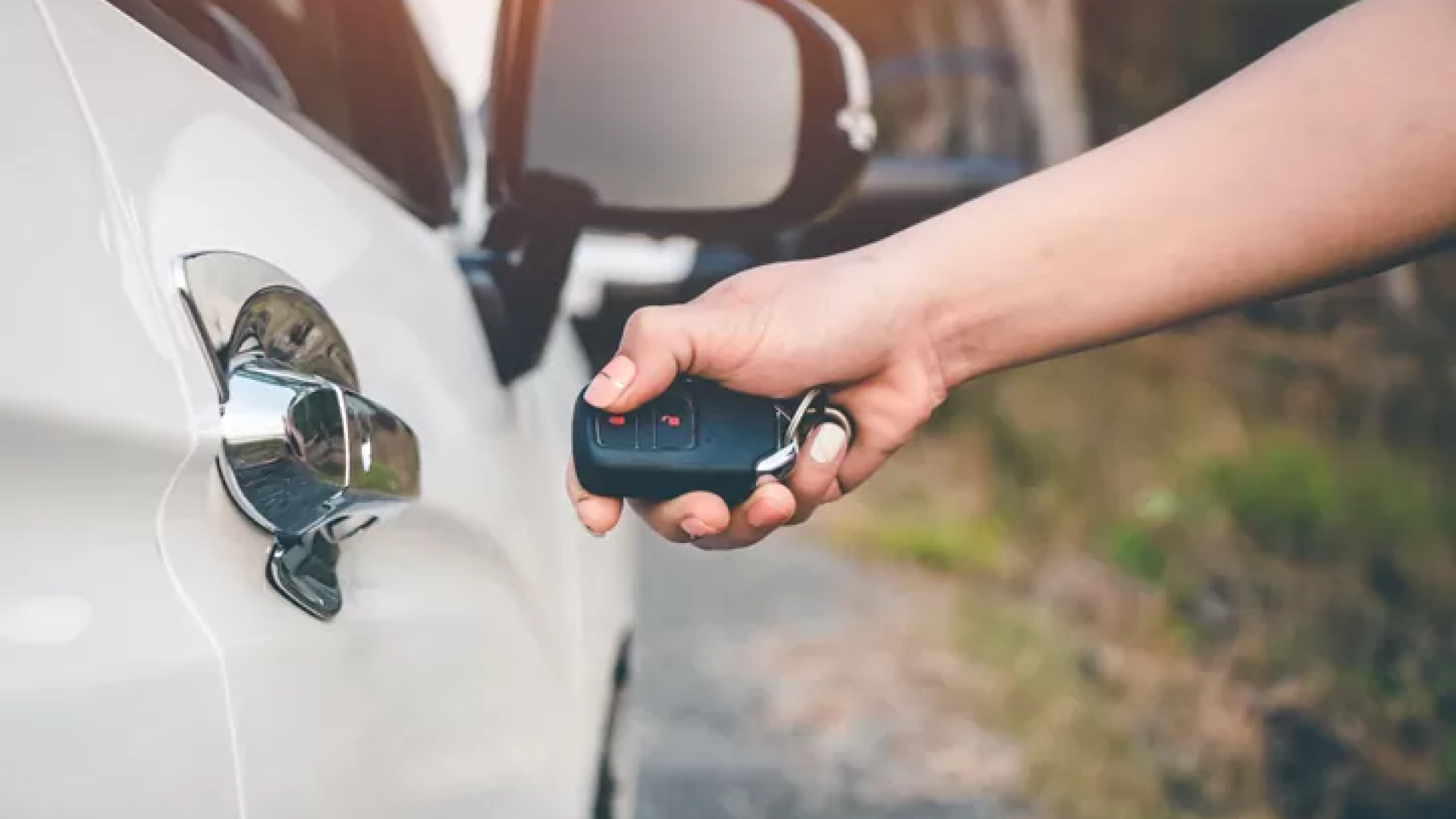
Car door locks rarely fail suddenly. In most cases, they slowly decline over time, giving small warning signs that something is not quite right. The problem is that many drivers ignore these early signals until they end up locked out or facing a completely broken lock.
In climates like Ontario, where cold winters, moisture, and road salt are common, car lock wear can happen even faster than expected. Knowing what to watch for can help you avoid stressful situations and costly repairs.
When issues start appearing, professional help from services like automotive locksmith services can make a big difference by diagnosing problems early and preventing full lock failure.
Why Car Door Locks Start Failing
Car door locks are exposed to constant use and harsh environmental conditions. Every time you lock or unlock your car, internal components experience friction and wear.
Over time, common causes of failure include:
Continuous mechanical wear
Rust from moisture exposure
Dust and road debris buildup
Temperature related expansion and contraction
Weakening electronic components in modern systems
If left unaddressed, these small issues gradually build up and affect how smoothly your lock operates.
Key Warning Signs Your Car Door Lock Is Failing
Recognizing early symptoms can save you from unexpected lockouts or broken keys.
1. The Key Feels Stiff or Hard to Turn
One of the earliest warning signs is resistance when turning the key. A properly functioning lock should feel smooth and effortless.
Stiffness may indicate:
Dirt or debris inside the lock
Early rust formation
Worn internal pins or components
Forcing the key can worsen the damage and may lead to a broken key situation, which often requires extraction support like this guide explains: broken key extraction guide
2. The Lock Works Intermittently
If your lock only works sometimes, it usually means internal components are no longer aligning properly.
You might notice:
The door only unlocks after several attempts
Inconsistent response from the key
Need to wiggle or adjust the key repeatedly
This is a strong sign that the mechanism is becoming unreliable.
3. Strange Noises While Locking or Unlocking
Healthy car locks operate quietly. If you start hearing unusual sounds, something is likely wearing out inside.
Common noises include:
Clicking
Grinding
Scraping
These sounds often point to internal friction or misaligned components that are gradually failing.
4. The Key Gets Stuck in the Lock
A key that sticks or is difficult to remove is a serious warning sign.
Possible causes include:
Worn internal tumblers
Dirt buildup inside the cylinder
Early mechanical failure
If ignored, this can lead to complete lock failure or even a situation where the key breaks inside the lock.
5. Remote Locking Becomes Unreliable
In modern vehicles, electronic locking systems also show early signs of failure.
You may notice:
Delayed response from the key fob
Reduced signal range
Intermittent locking or unlocking
Sometimes the issue is not the lock itself but the key system. This is often connected to battery or communication problems, which are explained here: why car key batteries die suddenly
6. Door Does Not Lock or Unlock Smoothly
If your door requires multiple attempts to lock or unlock, internal wear may already be affecting performance.
This can happen due to:
Weak mechanical components
Faulty electronic actuators
Misalignment inside the door system
At this stage, failure is often close.
7. Visible Damage Around the Lock
Physical signs are often the clearest indicators of internal problems.
Look for:
Rust around the keyhole
Loose or shifting parts
Cracks or wear on the lock surface
Visible damage usually means internal wear is already present.
How Weather Accelerates Lock Failure
Weather plays a major role in how quickly car locks wear down.
Cold Temperatures
Freezing conditions can trap moisture inside the lock, causing it to freeze and restrict movement. Repeated freezing and thawing gradually damages internal components.
Moisture and Corrosion
Rain, snow, and humidity can lead to rust forming inside the lock system over time.
Dirt and Road Salt
Winter driving exposes vehicles to salt and debris that slowly enter the lock mechanism and reduce smooth operation.
For drivers dealing with repeated issues, mobile help is often the fastest solution, as explained here: why mobile automotive locksmithing beats towing
Why Early Action Matters
Ignoring early warning signs can lead to bigger problems such as:
Complete lock failure
Broken keys inside the cylinder
Unexpected car lockouts
Expensive emergency repairs
Addressing issues early helps maintain both convenience and vehicle security.
A helpful overview of common lockout situations can be found here: car lockout reasons and solutions
When to Call a Professional Locksmith
If you notice repeated symptoms, it is best to have the system inspected.
Professional automotive locksmith support can include:
Lock repair
Key duplication
Transponder key assistance
Car lockout help
System diagnostics
Services like East Pro Service Solutions help drivers across Ontario handle these issues before they turn into emergencies.
For direct assistance, you can reach them here: contact East Pro Service Solutions
About East Pro Service Solutions
East Pro Service Solutions about provides professional automotive, residential, and commercial locksmith services across Ontario, helping drivers and property owners with reliable security solutions.
Final Thoughts
Car door locks usually give warning signs long before they fail completely. Stiff movement, strange noises, intermittent performance, and visible wear are all early indicators that should not be ignored.
Ontario weather conditions can speed up this process, making regular attention even more important.
With early care and professional support, you can avoid sudden lock failures and keep your vehicle secure and accessible.
If you want to explore more helpful insights, topics like smart key systems, lockout prevention, and ignition issues can give you a better understanding of how to maintain your vehicle’s security over time.